


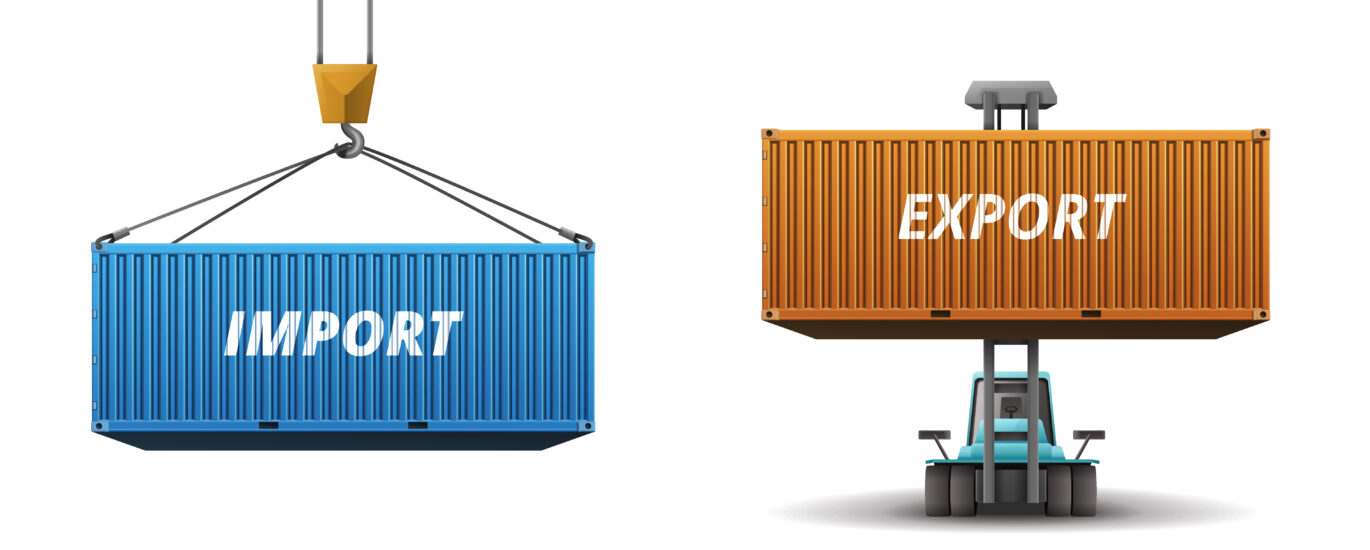
How to Start an Import-Export Business in India: A Beginner’s Guide
India is one of the world’s fastest-growing economies with a thriving international trade ecosystem. The import-export business offers immense potential for aspiring entrepreneurs looking to tap into global markets. Whether you want to import quality goods to India or export Indian products worldwide, this guide will help you take your first steps in the right direction.
Understand the Basics of International Trade
Before jumping in, it’s important to understand how international trade works. Importing means bringing goods or services into India from other countries, while exporting involves selling Indian products abroad. You’ll need to familiarize yourself with trade regulations, customs procedures, international payment methods, and logistics.
Choose Your Product Wisely
Choosing the right product is key to success. Research high-demand products both in India and abroad. Look at trends, profit margins, and competition. India exports a variety of goods like textiles, spices, handicrafts, leather, and engineering goods. Likewise, popular imports include electronics, machinery, chemicals, and luxury items.
Decide Your Target Market
Not all countries are the same when it comes to demand and regulations. Conduct thorough market research to identify where your product has the most potential. Consider factors like customer preferences, legal restrictions, tariffs, and trade agreements. Government reports and global trade databases can help in this research.
Register Your Business
Start by registering your business legally in India. You can choose between a sole proprietorship, partnership, LLP, or a private limited company depending on your goals. A registered business name helps in building trust and opening business accounts, and it’s necessary for government compliance.
Get a PAN and Open a Current Account
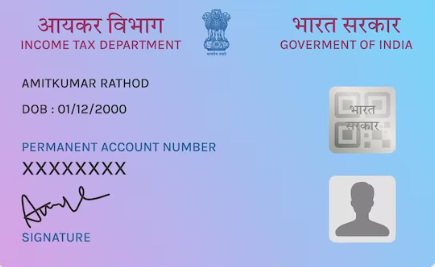
Apply for a Permanent Account Number (PAN) for your business from the Income Tax Department. Next, open a current account in a bank that supports international transactions. This is essential for receiving and sending payments globally through reliable banking channels.
Obtain Importer Exporter Code (IEC)
The Importer Exporter Code (IEC) is a mandatory 10-digit number issued by the Directorate General of Foreign Trade (DGFT). It’s a one-time registration and is required for customs clearance, shipping, and receiving international payments. You can apply for the IEC online through the DGFT website for import-export business.
Register with Relevant Authorities
Depending on the nature of your business, you may need additional registrations like
- GST Registration for tax compliance
- APEDA, Spice Board, or FIEO membership if dealing with food or specific product categories
- DGFT Authorization for restricted goods
These help you stay compliant and may also offer trade benefits or subsidies.
Understand Shipping and Logistics
Efficient logistics is vital in import-export operations. Learn about Incoterms (international commercial terms), packaging standards, freight forwarding, customs clearance, and insurance. Partnering with a reliable logistics company can save time, cost, and effort in the long run.
Price Your Products Right
Pricing in international trade involves considering multiple costs—production, packaging, shipping, customs duties, and agent commissions. Use competitive pricing strategies while ensuring healthy profit margins. Consider currency fluctuation risks when quoting your rates.
Choose Payment Methods Carefully
International payments typically happen through methods like advance payment, letters of credit (LC), documents against payment (DP), or open account. LCs are the safest for exporters. Consult with your bank to choose the best payment method based on your risk tolerance and buyer trust.
Promote Your Business Globally
An online presence is essential for import-export businesses. Make a polished website, include your company on B2B marketplaces such as Alibaba, TradeIndia, and IndiaMART, and expand your network by attending trade exhibitions. diaMART, build a professional website, and network at trade shows. Digital marketing can help attract international buyers and establish credibility.
Stay Updated with Compliance and Policies
Import-Export Trade is heavily influenced by government policies, global economic conditions, and trade regulations. Subscribe to updates from DGFT, RBI, and customs departments. Regularly attend seminars and webinars to stay informed and build your network.
Leverage Government Support
The Indian government offers various schemes and incentives to exporters, such as MEIS, SEIS, RoDTEP, and the Duty Drawback Scheme. You can also get support from export promotion councils. These schemes help reduce costs and improve competitiveness.
Final Thoughts
Starting an import-export business in India is an exciting and rewarding journey, but it requires proper planning, legal compliance, and consistent learning. With the right approach and guidance, you can scale your business globally and contribute to India’s growing trade ecosystem.
Need help setting up your import-export venture?
📩 Email: tradebuzofficial@gmail.com
📞 Call/WhatsApp: +91 78300 07507
🌐 Website: www.tradebuz.in